
Fin fan optimisation through analysis, adjustment and reporting.
Cleaning is one route to improved fin fan performance. We can also analyse current operation, adjust key variables and report measured improvements so cooling assets are set up for the best practical airflow and efficiency.
- Air velocity measurement across cooler bays or selected sample points
- Thermal comparison using process data or thermal imaging where appropriate
- Motor load and fan operating condition review
- Blade angle, tip clearance and static pressure observations
- Pre and post intervention comparison for close-out reporting
Start with measured performance data.
We start by recording the current condition of the cooler, then compare the data with post-cleaning or post-adjustment results so the customer can see whether airflow, temperature behaviour or electrical demand has changed.
The output can support shutdown planning, cleaning intervals, problem bay prioritisation and future optimisation decisions.
Current performance capture
We analyse the unit's current performance using practical site measurements to establish a baseline and identify which components or settings should be adjusted.
Fine increments to improve airflow
We can adjust blade tip clearance, blade angle and motor speed in controlled increments to find practical settings that maximise airflow through the unit and increase efficiency.
Measured post-adjustment evidence
After adjustment, we repeat the analysis to demonstrate the improvements made through the optimisation process and provide a clear report.

Airflow distribution
Equi-spaced airflow readings along the cooler length help show where performance is uneven and whether fouling is localised or widespread.
Temperature evidence
Delta temperature, process data and thermal imaging can be used where operating conditions allow meaningful comparison.
Motor loading
Analysis can compare airflow gains against motor amperes so improvement is kept within practical operating limits.
Cleaning verification
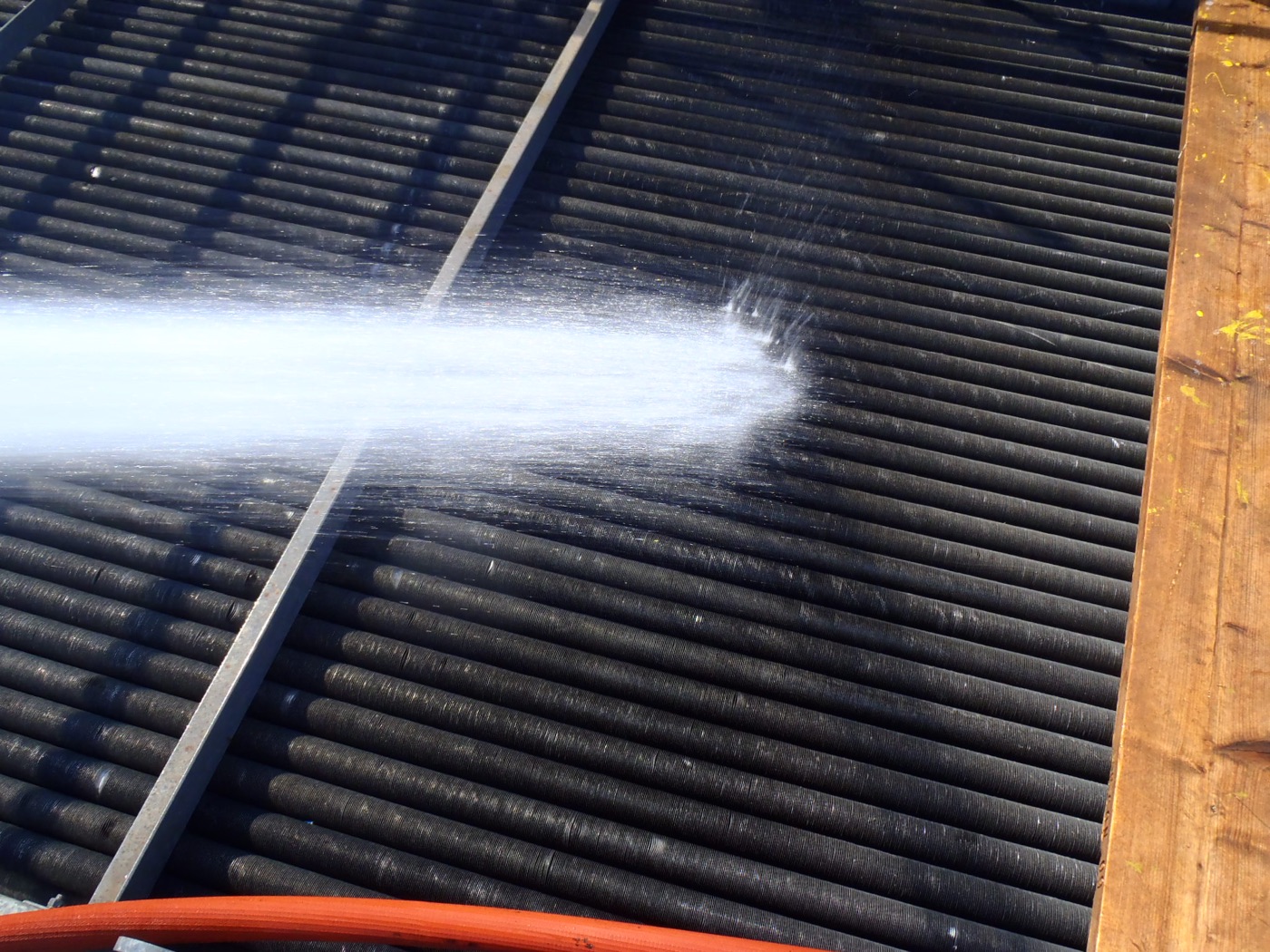
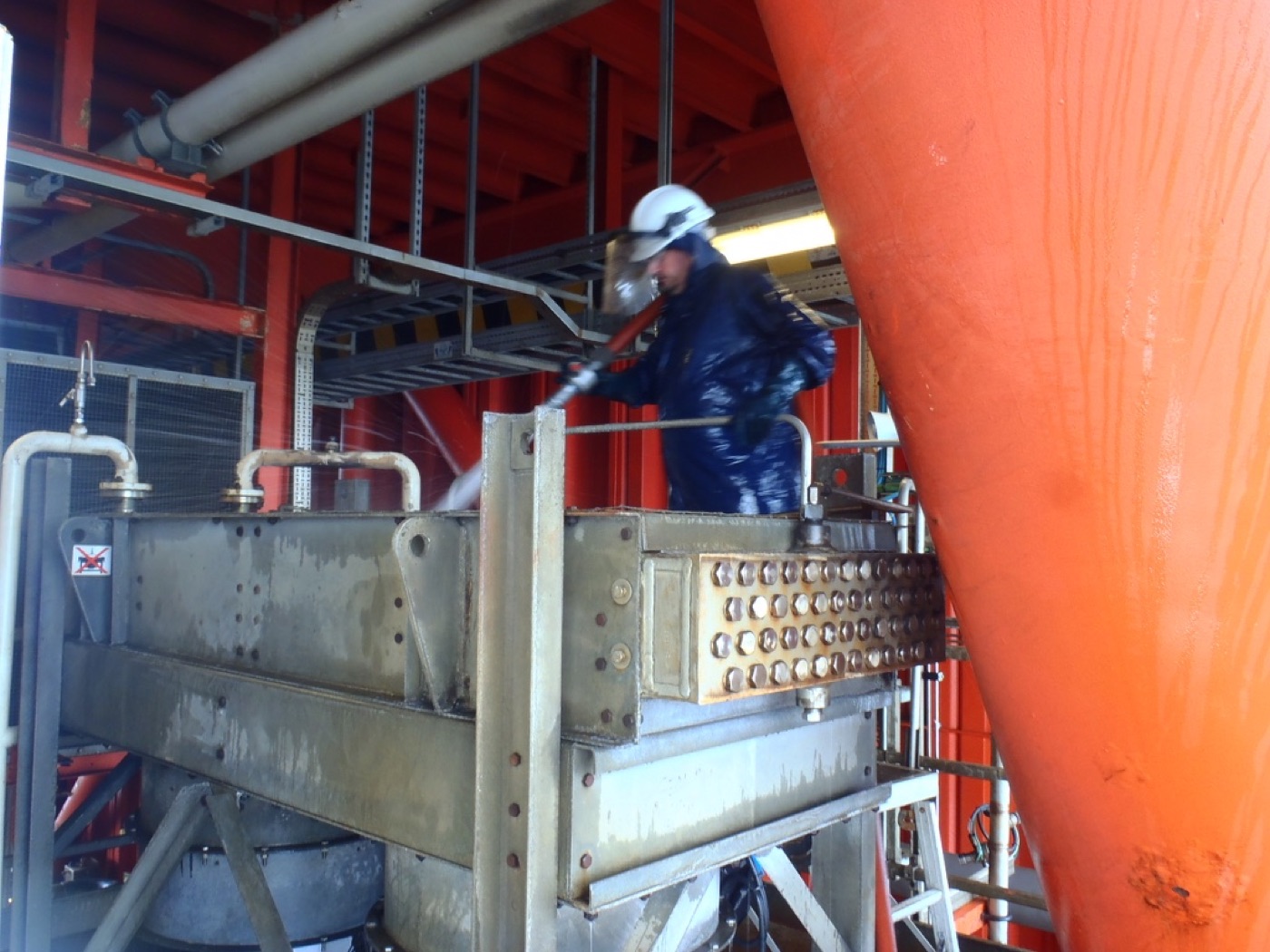
Post-cleaning measurements help confirm whether the intervention restored performance or whether further mechanical, process or optimisation work should be considered.
Evidence-led response for fin fan cleaning tenders.
For large cleaning programmes, measurement gives procurement and operations teams a defensible way to compare cleaning effectiveness, prioritise units and record results.