
Hydrokinetics cleaning for difficult fouling, flow recovery and heat-transfer restoration.
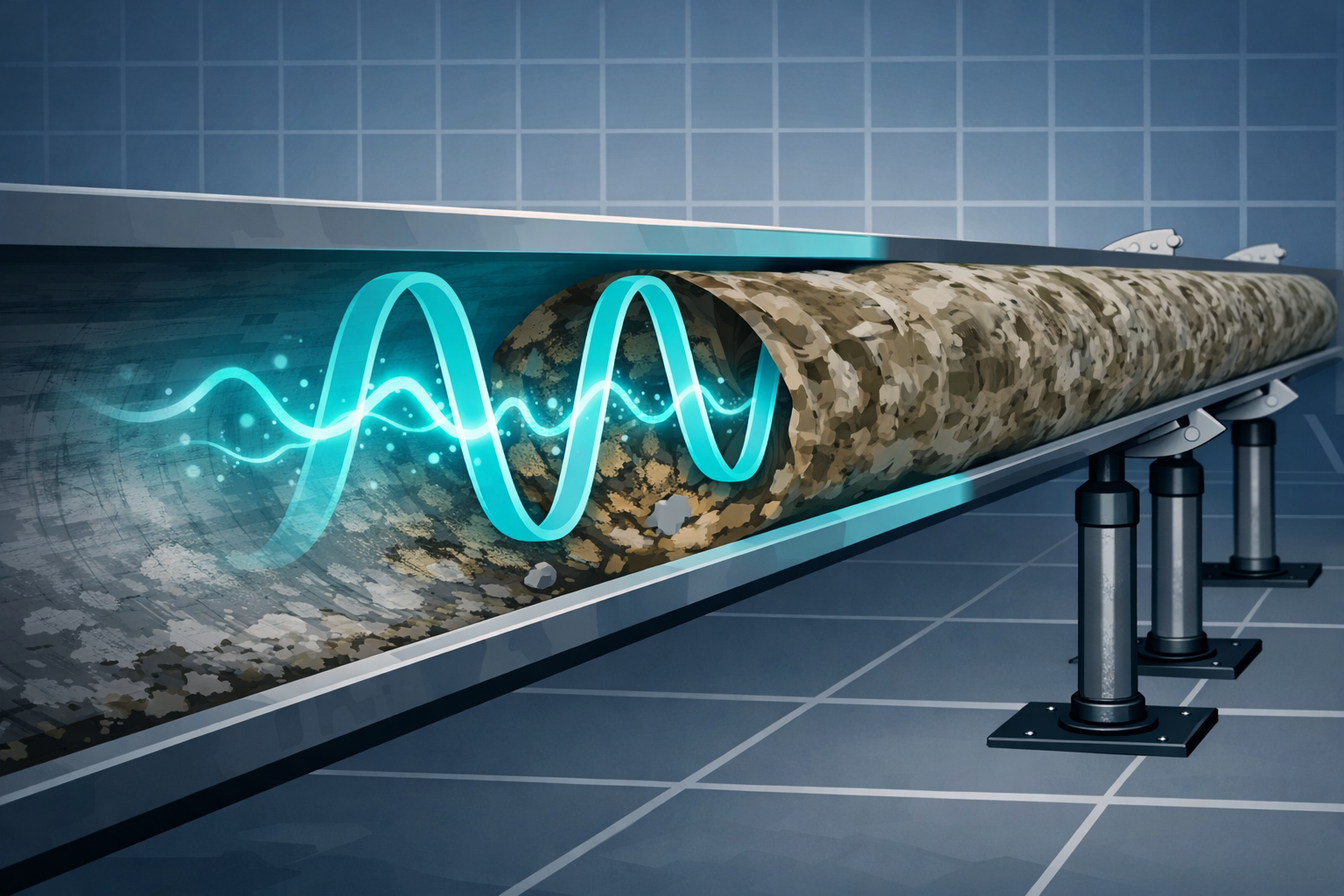
We operate a Hydrokinetics system designed to introduce sonic resonance into the water stream, helping break the bond between foulants and metal in pipes, tubes and process equipment.

- Difficult fouling that conventional cleaning struggles to remove
- Flow-loss and heat-transfer recovery work
- Pipework, tubes and process equipment cleaning
- Shutdown scopes where downtime reduction matters
Used where conventional cleaning is not enough
Hydrokinetics is suited to systems where fouling is restricting flow or reducing heat transfer, and where shutdown time, handling or cleaning effectiveness need to be improved.
Sonic resonance is introduced into the cleaning water stream to break down stubborn foulants.
The system is used to break the bond between fouling material and the metal surface so the obstruction can be expelled more effectively. That makes it particularly relevant where deposits are difficult to shift with conventional hydroblasting alone.
Used where blockage is affecting throughput
Hydrokinetics is suited to flow-loss issues in process piping and related equipment where the objective is to restore capacity without unnecessary dismantling.
Relevant where fouling is reducing exchanger performance
The process can also support heat-transfer recovery where deposits are affecting thermal performance in tubes and associated process systems.
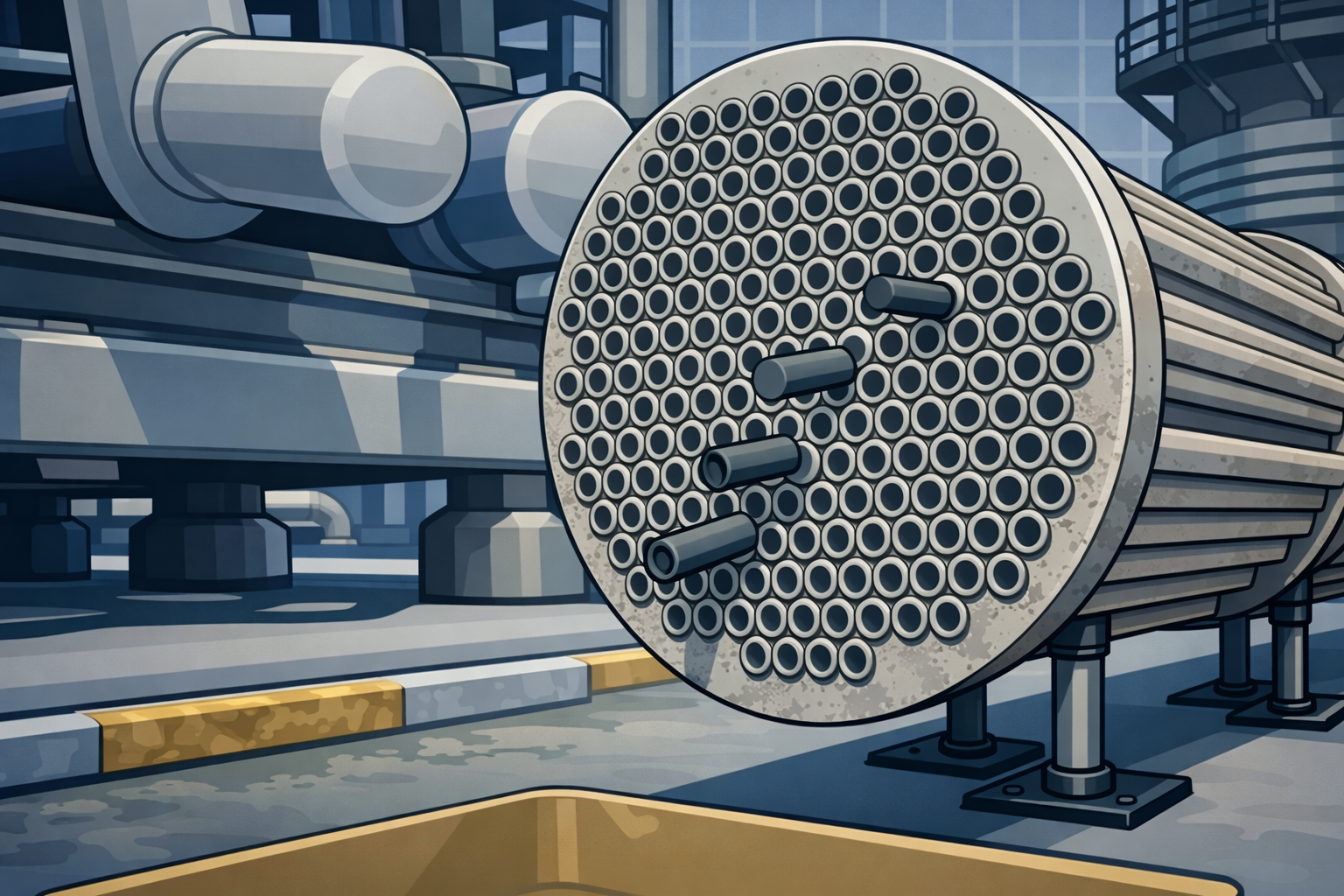
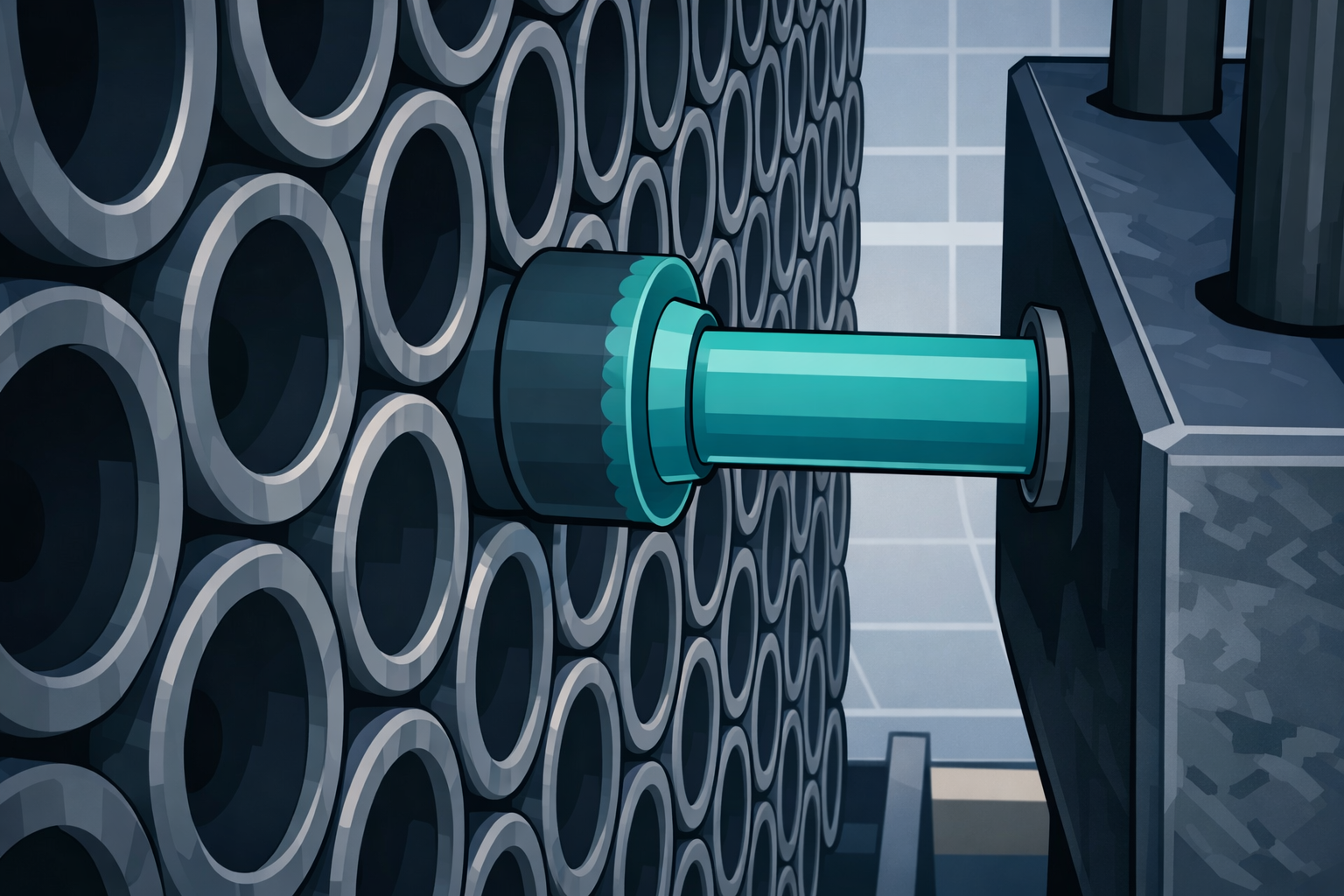
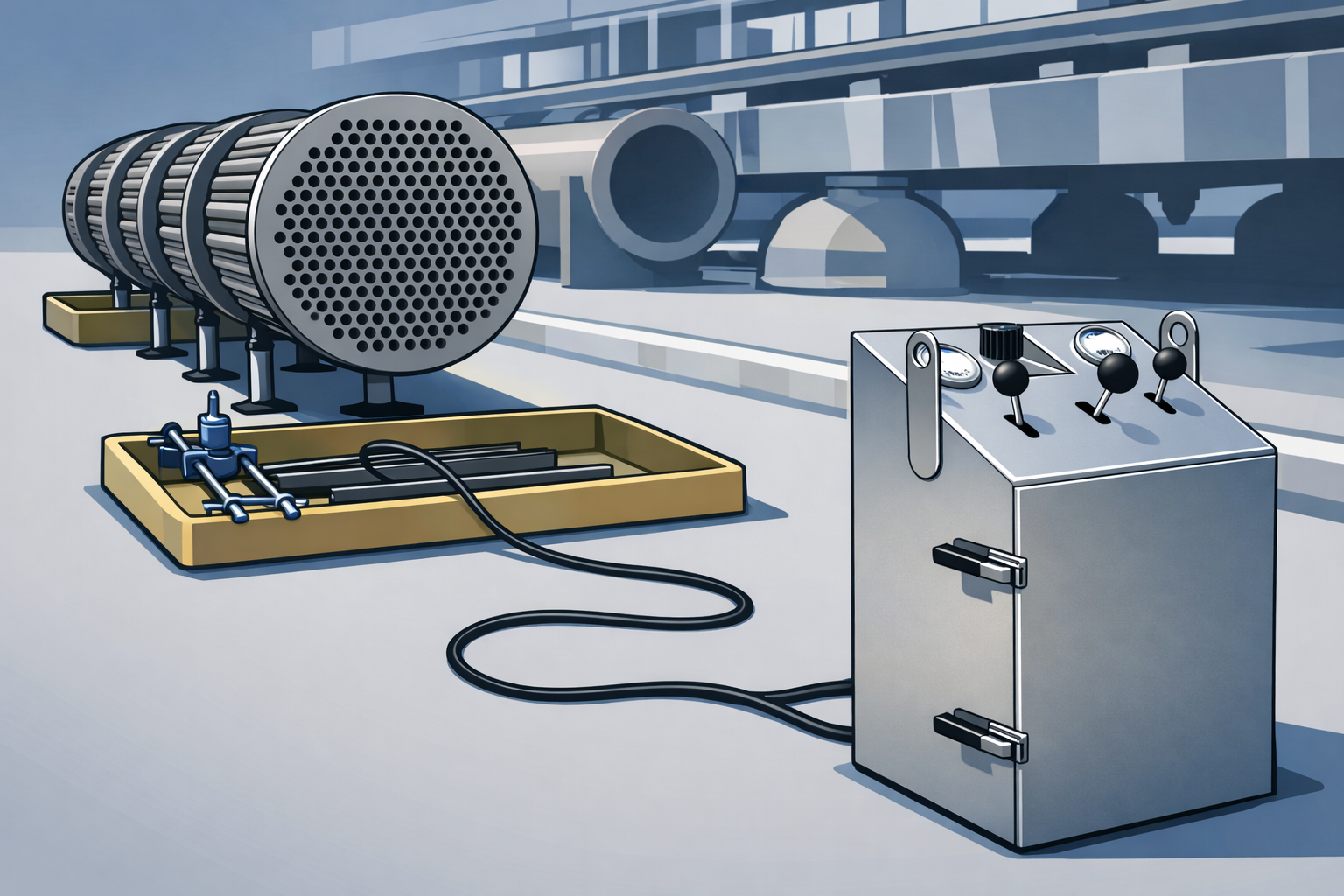
Visuals created to explain the system where site photography is not always possible.
The Hydrokinetics images are AI-generated illustrations. Many of the client sites we work on do not permit cameras, so we use these visuals to explain the Hydrokinetics system and how it is applied in practice.
Difficult foulants
The process is intended for stubborn deposits that can be time-consuming or ineffective to remove with standard cleaning methods.
In-situ potential
Where conditions allow, the system can support cleaning in place, helping reduce additional handling and shutdown time.
Lower intervention burden
The vendor process emphasises reduced water use and zero chemicals compared with more conventional approaches.
Linked ASL services
Hydrokinetics can sit alongside hydro blasting, exchanger cleaning and shutdown support where multiple cleaning methods are needed on the same scope.